Courses
Learning Courses
Courses for water, wastewater and collections operators. The first part of every course is free.
What a Course Gives You
Finishing a course gives you a certificate of completion from Operator Master. Your operator certificate or license always comes from your state, not from Operator Master.
A course counts toward your continuing education credit only once your state or province accepts it. Today Minnesota and Montana have approved our courses, they count in Alabama, Arizona, Idaho, South Carolina, where courses need no pre-approval, and we are asking more states. Ask us to add your state or province.
Prices
To take a course for credit, with its certificate: $20 per course, or $150 for the Course Pass (certificates for every course for a year, plus Premium). Premium alone opens every course to learn, with no timer and no credit. Certificates count for renewal now in Alabama, Arizona, Idaho and South Carolina; other boards are reviewing the courses. Practice questions are always free. Utilities can cover their whole crew with one yearly invoice: email support@operatormaster.com.
See Prices and Pay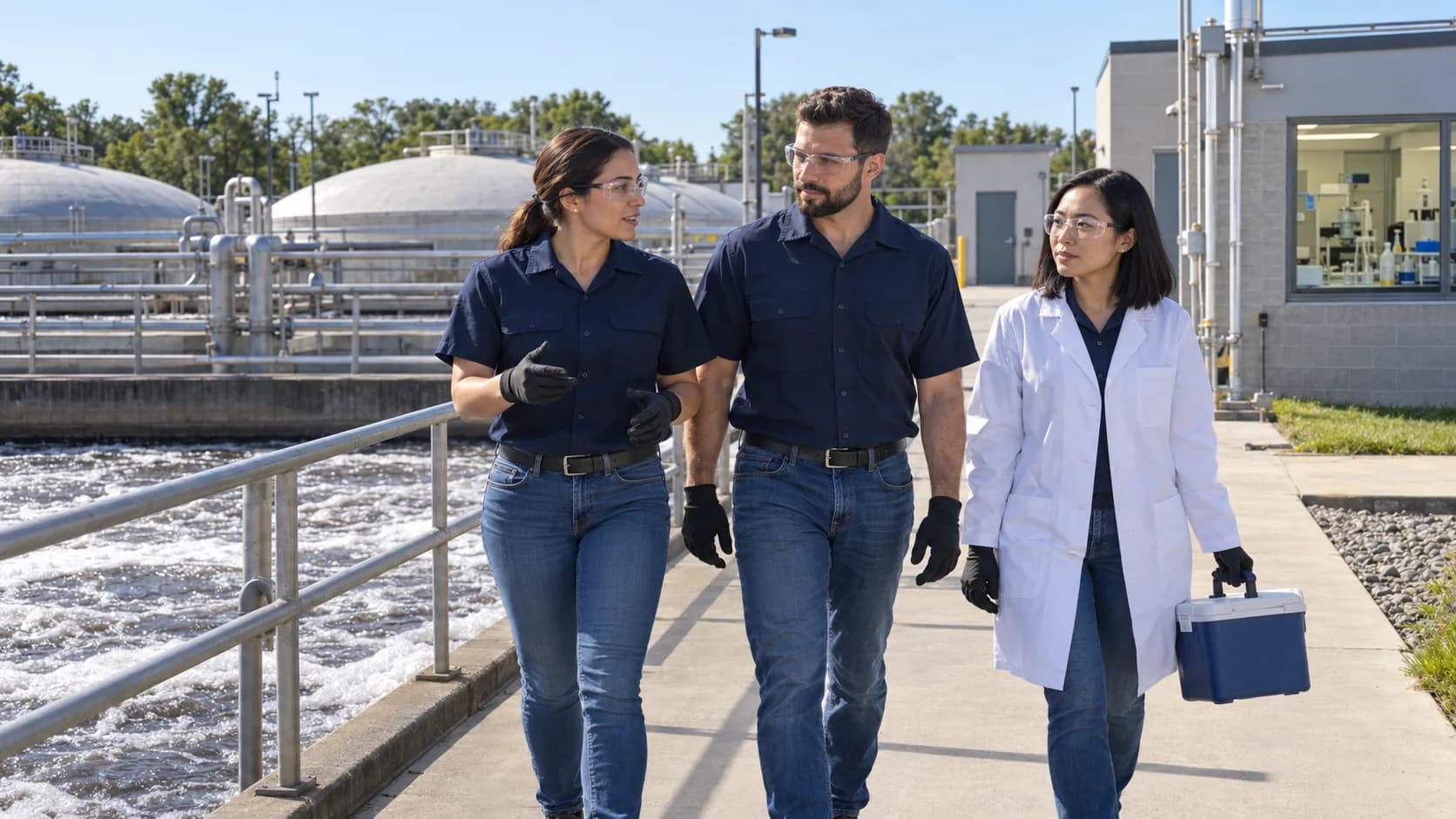
Nutrient Removal: Nitrogen and Phosphorus for Wastewater Operators
How plants remove nitrogen and phosphorus: nitrification, denitrification, biological and chemical phosphorus removal, monitoring and control, return loads and permit limits.
Course Details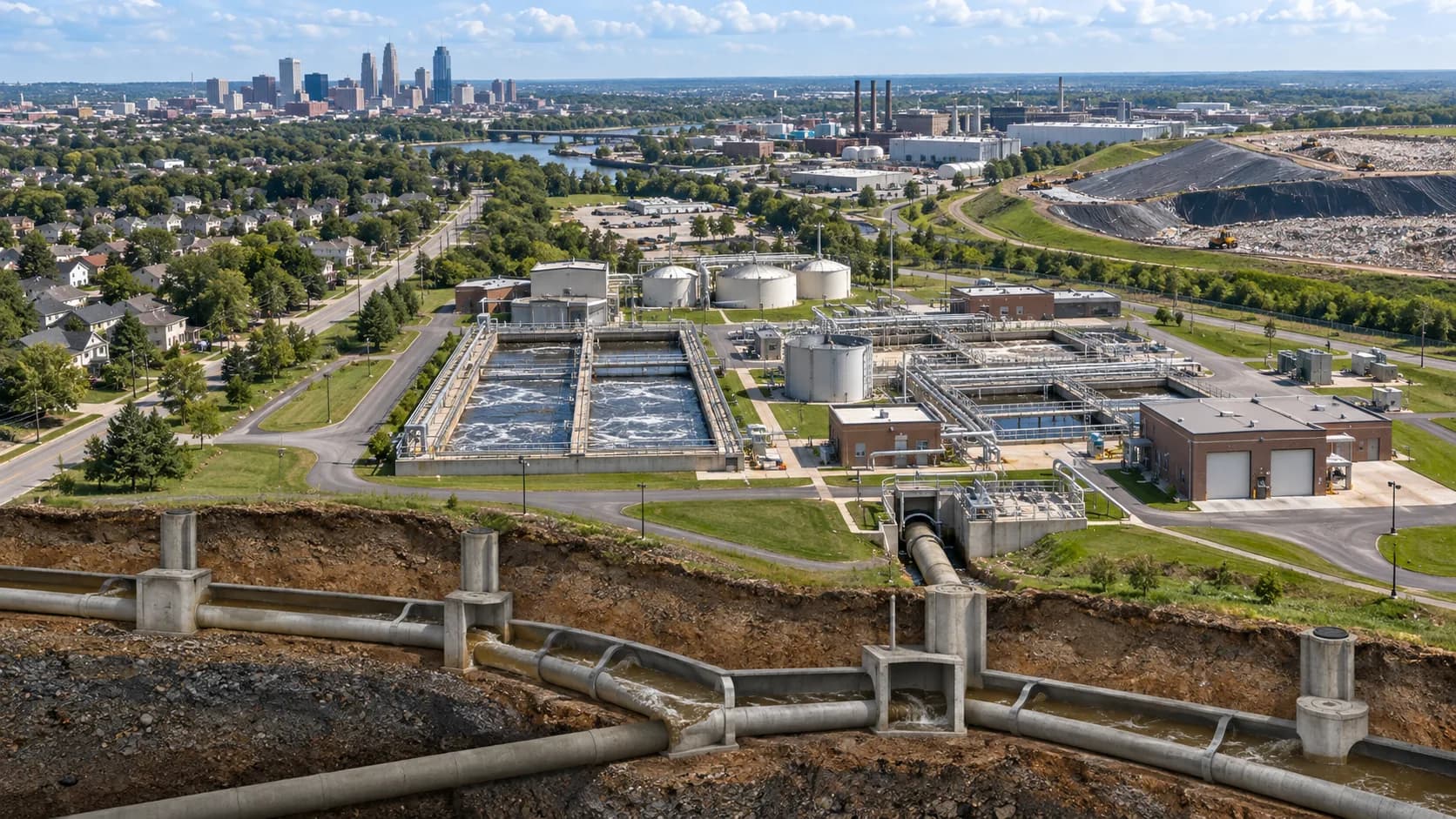
PFAS in Wastewater: Sources, Sampling, Source Control, and Residuals
Where PFAS comes from and where it goes in a wastewater plant: sewershed sources, liquid and solids treatment, clean sampling and lab methods, source control, treatment residuals and biosolids planning.
Course Details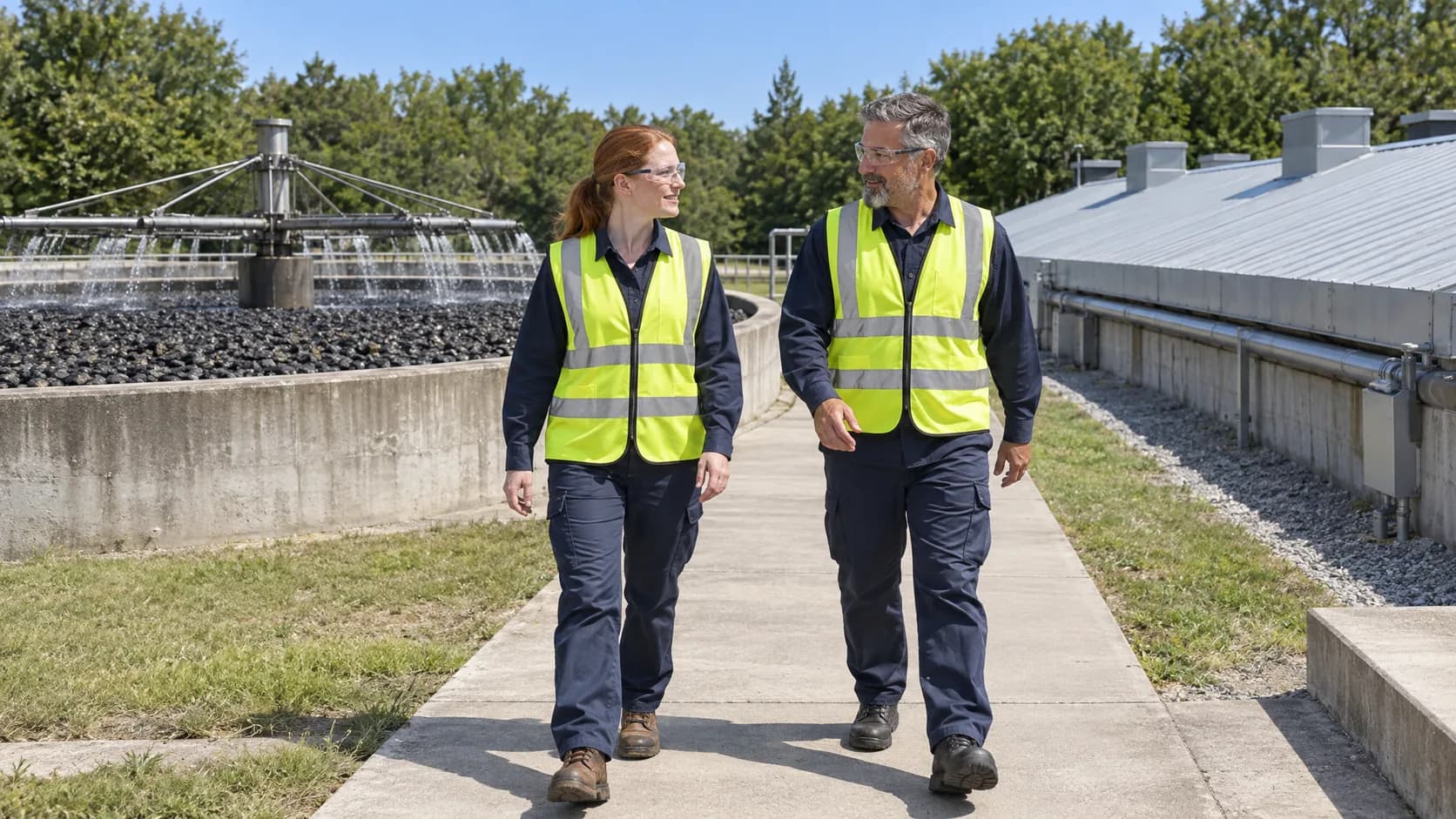
Trickling Filters and Rotating Biological Contactors
How fixed-film plants work and how operators run them: biofilm, trickling filter equipment, recirculation and loading, lab tests, sloughing and solids, RBCs, common problems, rounds and records.
Course Details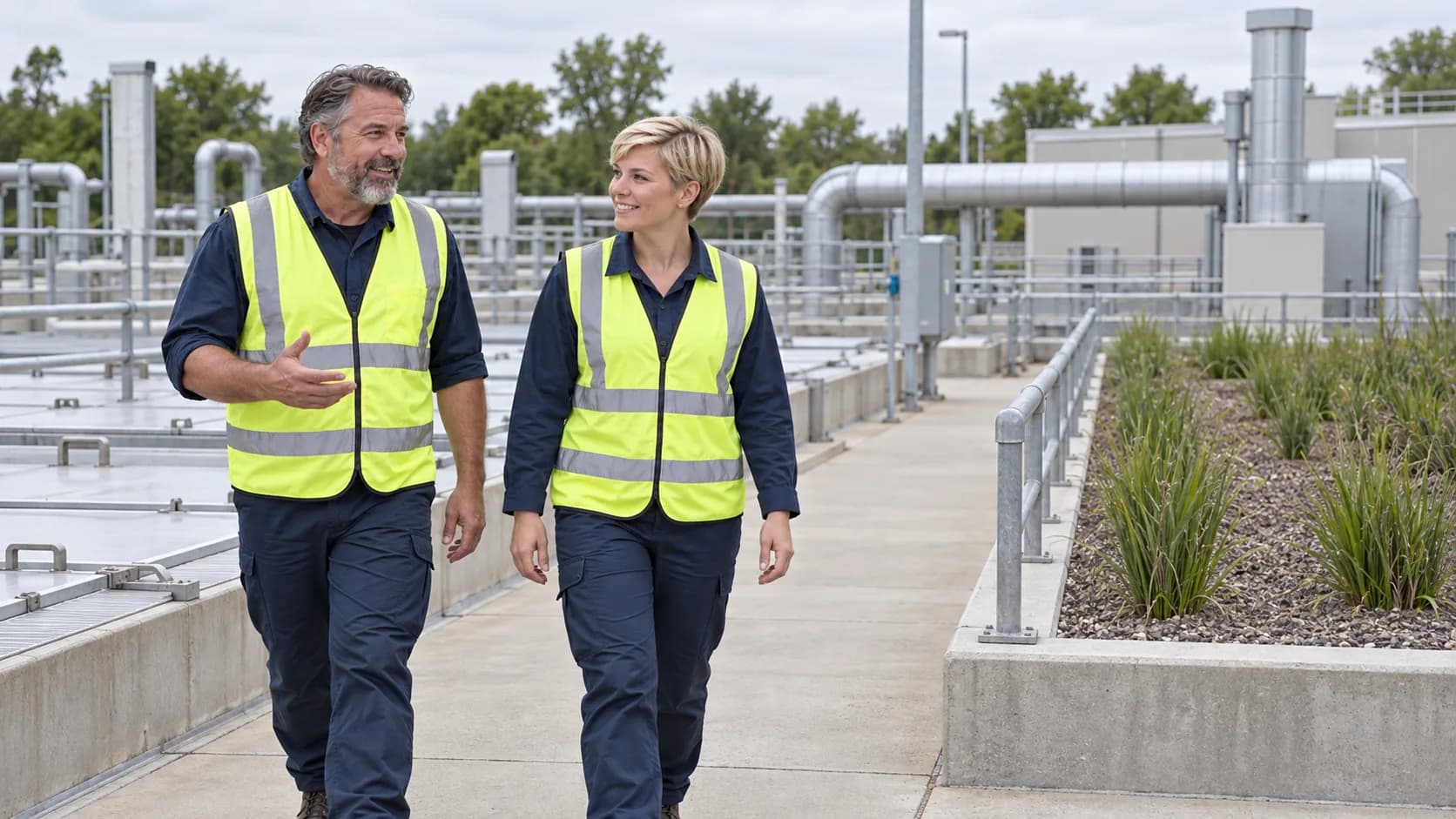
Odor Control and Hydrogen Sulfide (H2S) in Wastewater Systems
Where wastewater odors come from and how operators control them safely: septic conditions and sulfide, hydrogen sulfide hazards, force mains and wet wells, corrosion, gas monitors and confined spaces, chemical and plant odor controls, complaints and records.
Course Details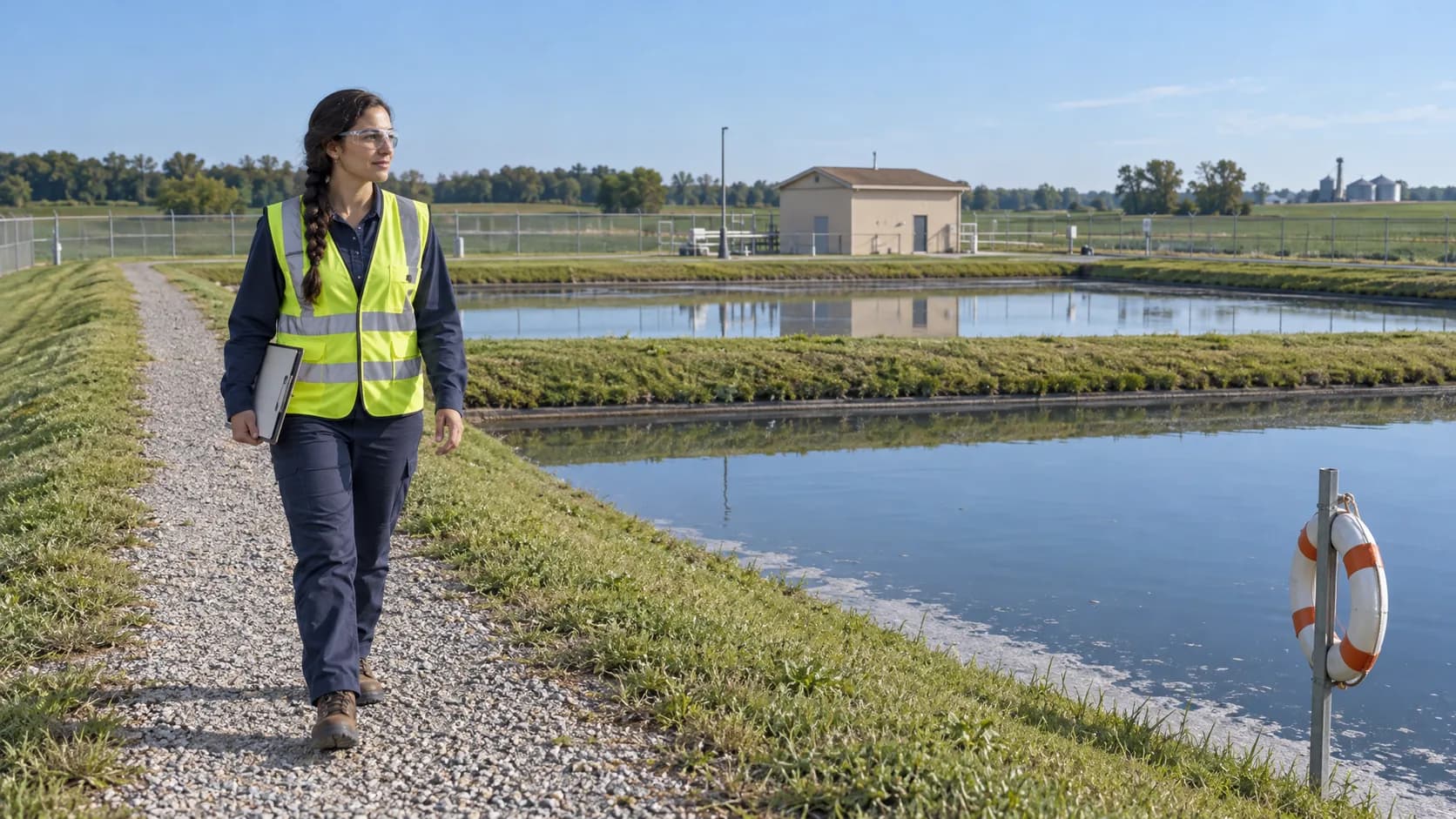
Lagoons and Small Wastewater Plants
How lagoons and small plants treat wastewater: facultative and aerated lagoons, monitoring, algae and odors, berms and liners, package plants, permits and working alone safely.
Course Details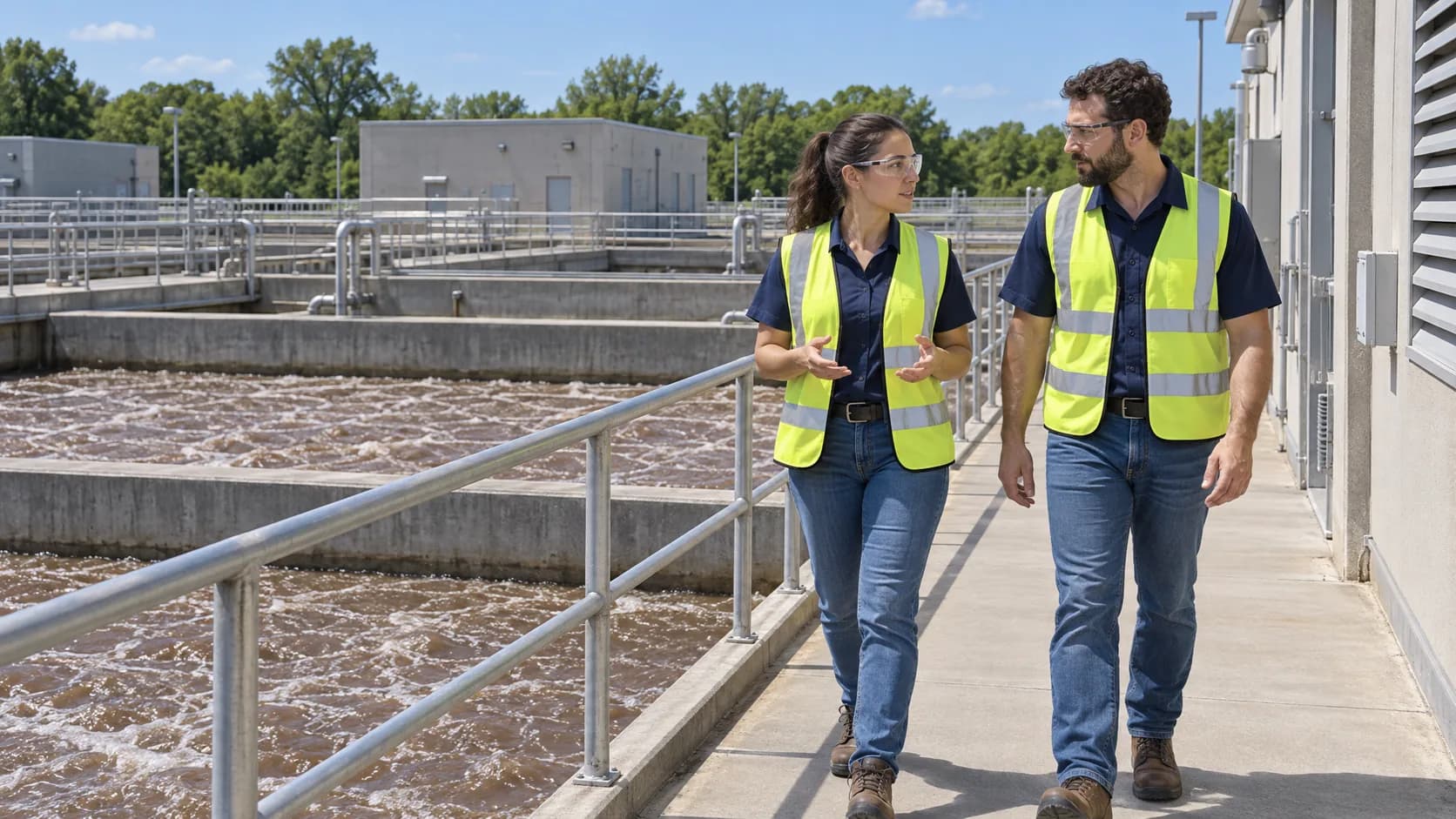
Activated Sludge Process Control for Wastewater Operators
How activated sludge works and how operators control it: aeration, settling tests, solids inventory, return and waste flows, sludge age, microscopy, upsets and records.
Course Details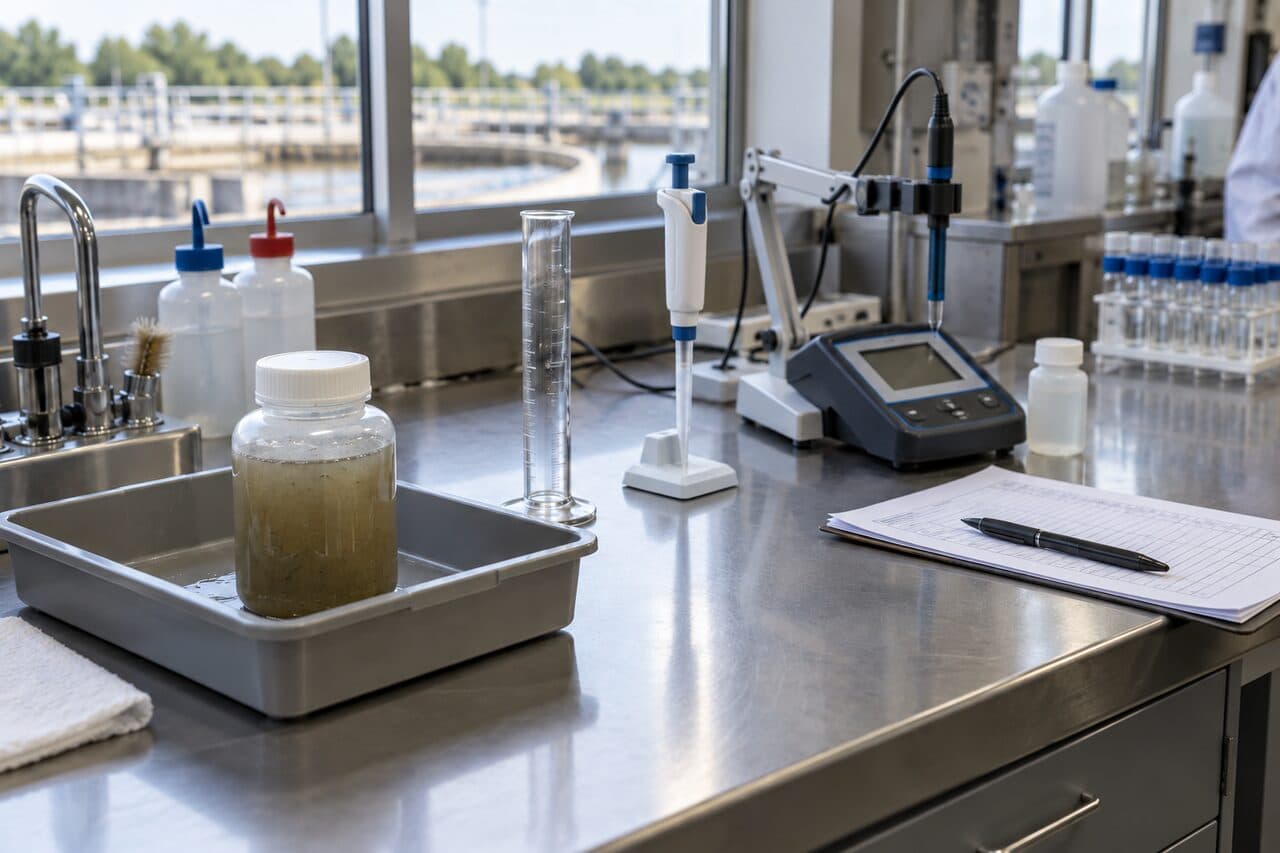
Laboratory Fundamentals
Samples, lab equipment, BOD, TSS and dissolved oxygen, and how operators use lab results.
Course Details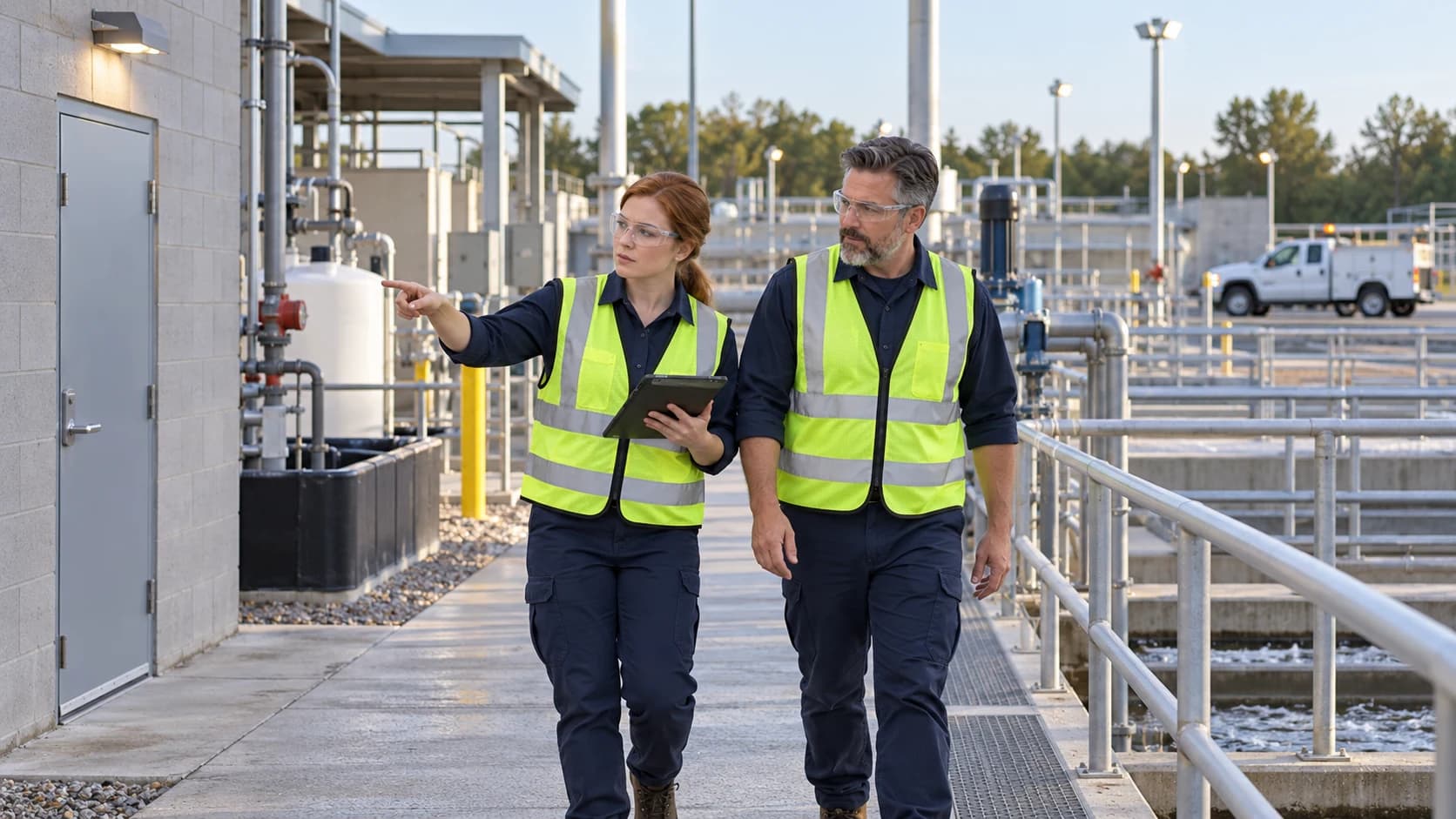
Wastewater Safety Fundamentals
How operators spot hazards and stay safe: PPE, chemicals, gases, confined spaces, lockout, falls, traffic and emergencies.
Course Details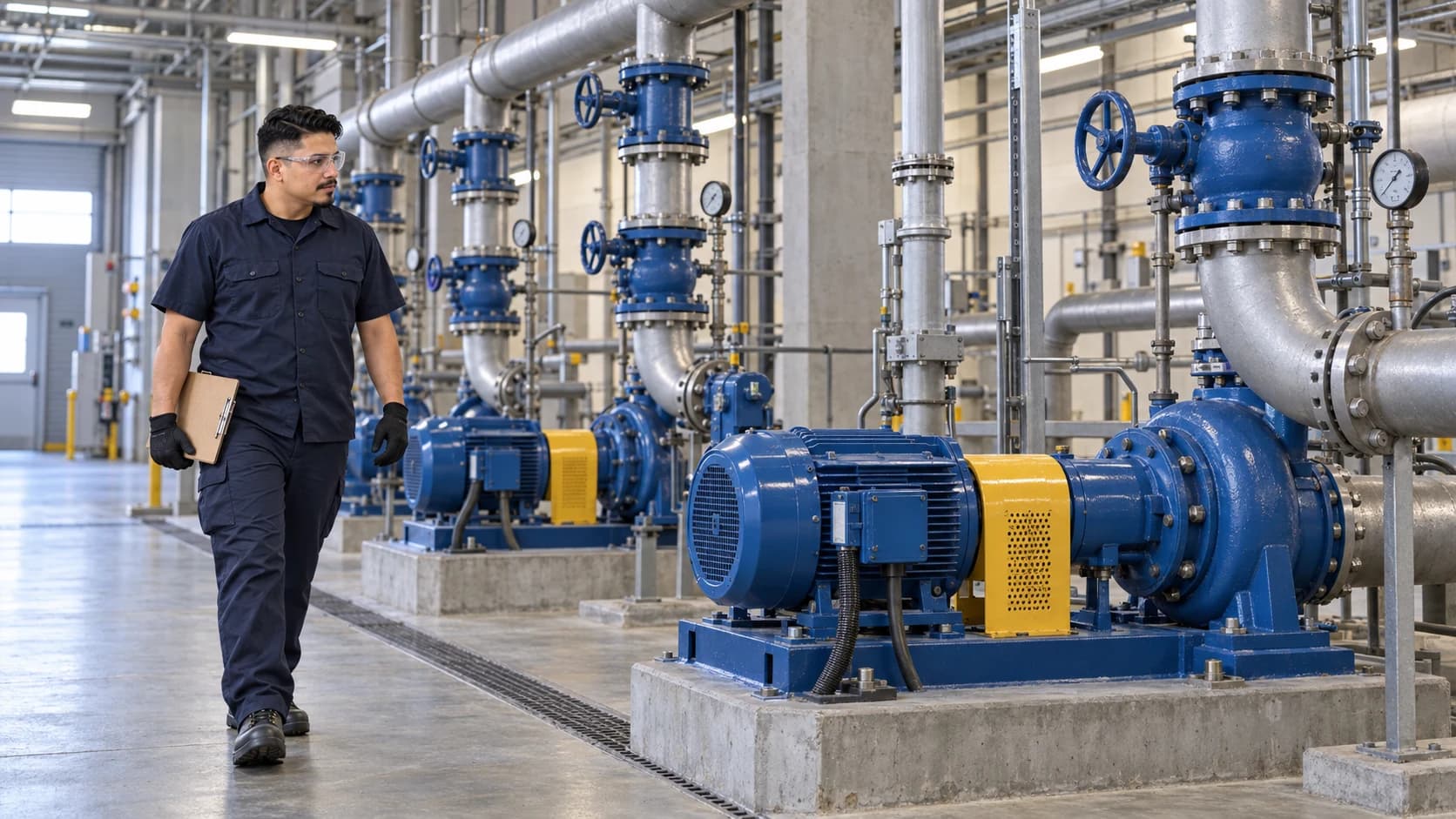
Wastewater Pumps, Motors, and Mechanical Equipment
How operators run and care for pumps, motors, valves, mixers, conveyors and compressors, with troubleshooting and maintenance.
Course Details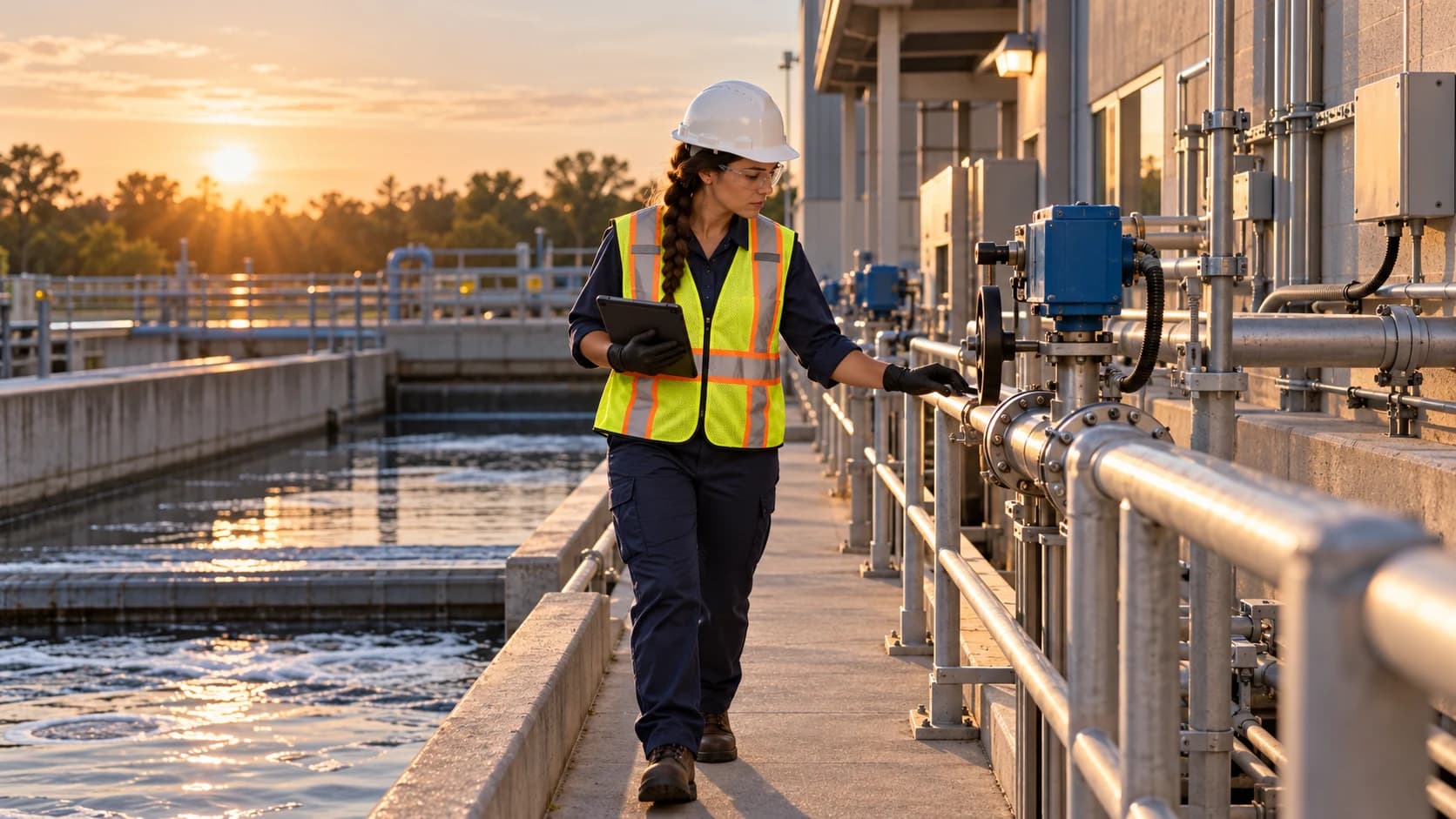
Wastewater Disinfection Fundamentals
How plants disinfect treated wastewater: chlorine, feed equipment, contact time, dechlorination, UV, sampling and troubleshooting.
Course Details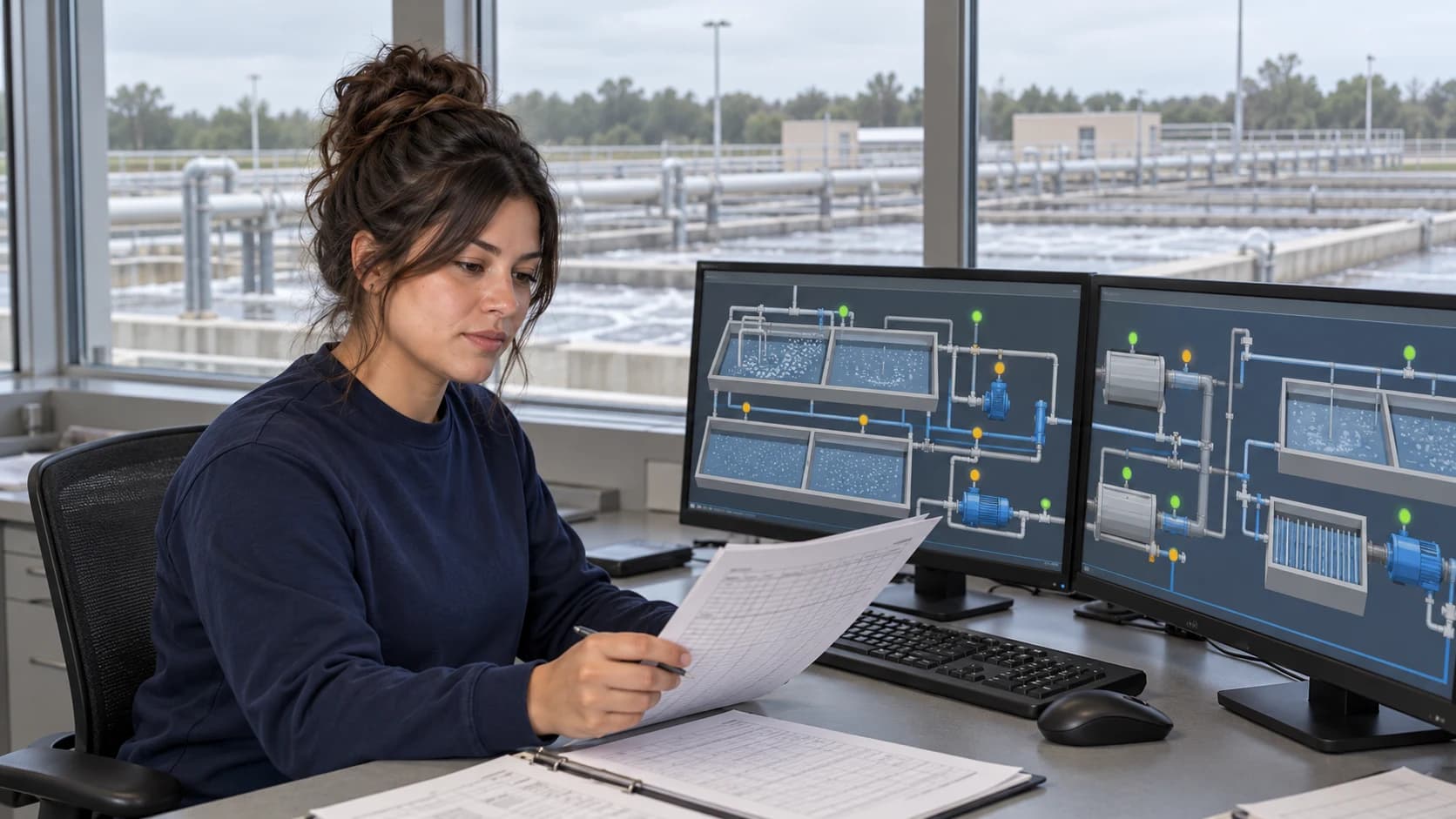
Wastewater Instrumentation, SCADA, and Process Control Fundamentals
How operators read plant instruments, signals and SCADA: flow, level, pressure and water-quality measurement, alarms, and instrument troubleshooting.
Course Details
Wastewater Solids Handling Fundamentals
How plants move, thicken, digest, dewater and ship the solids removed from wastewater, with sampling, solids math and safety.
Course Details
Introduction to Water Treatment Operations
How drinking water is treated, from the source through filtration and disinfection to the people who use it.
Course Details
Water Treatment Part 2: Treatment Processes in Practice
How drinking water plants run coagulation, settling, filters, membranes, disinfection and water chemistry, and handle residuals and plant water.
Course Details
Water Treatment Part 3: Monitoring, Control and Compliance
How drinking water operators sample and test, trust their instruments, control chemical feed, keep compliance records and respond to emergencies.
Course Details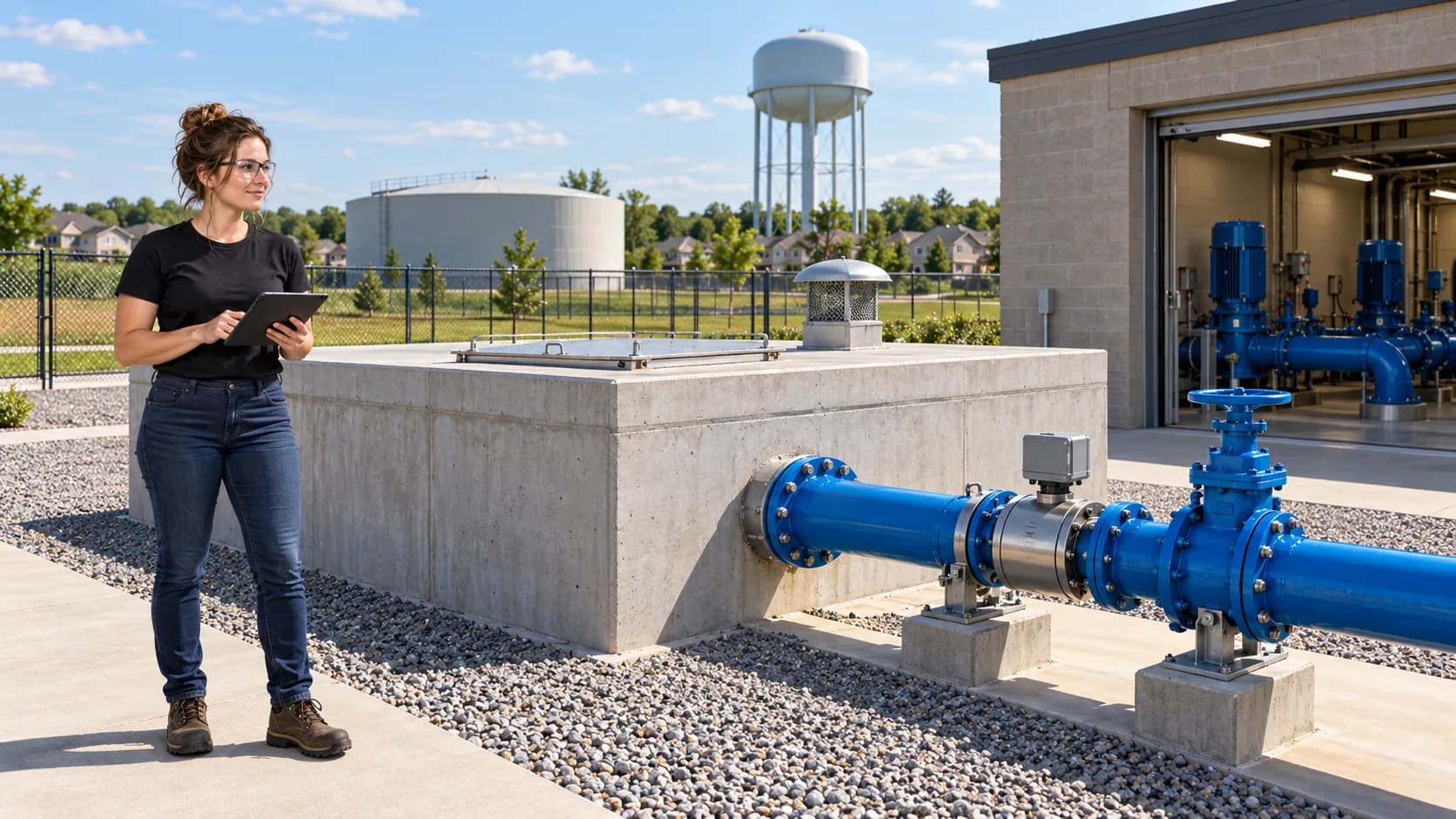
Water Distribution Fundamentals
How drinking water distribution systems work and how operators keep them safe: mains and valves, storage tanks, pumps and pressure, water quality, backflow, main breaks and flushing.
Course Details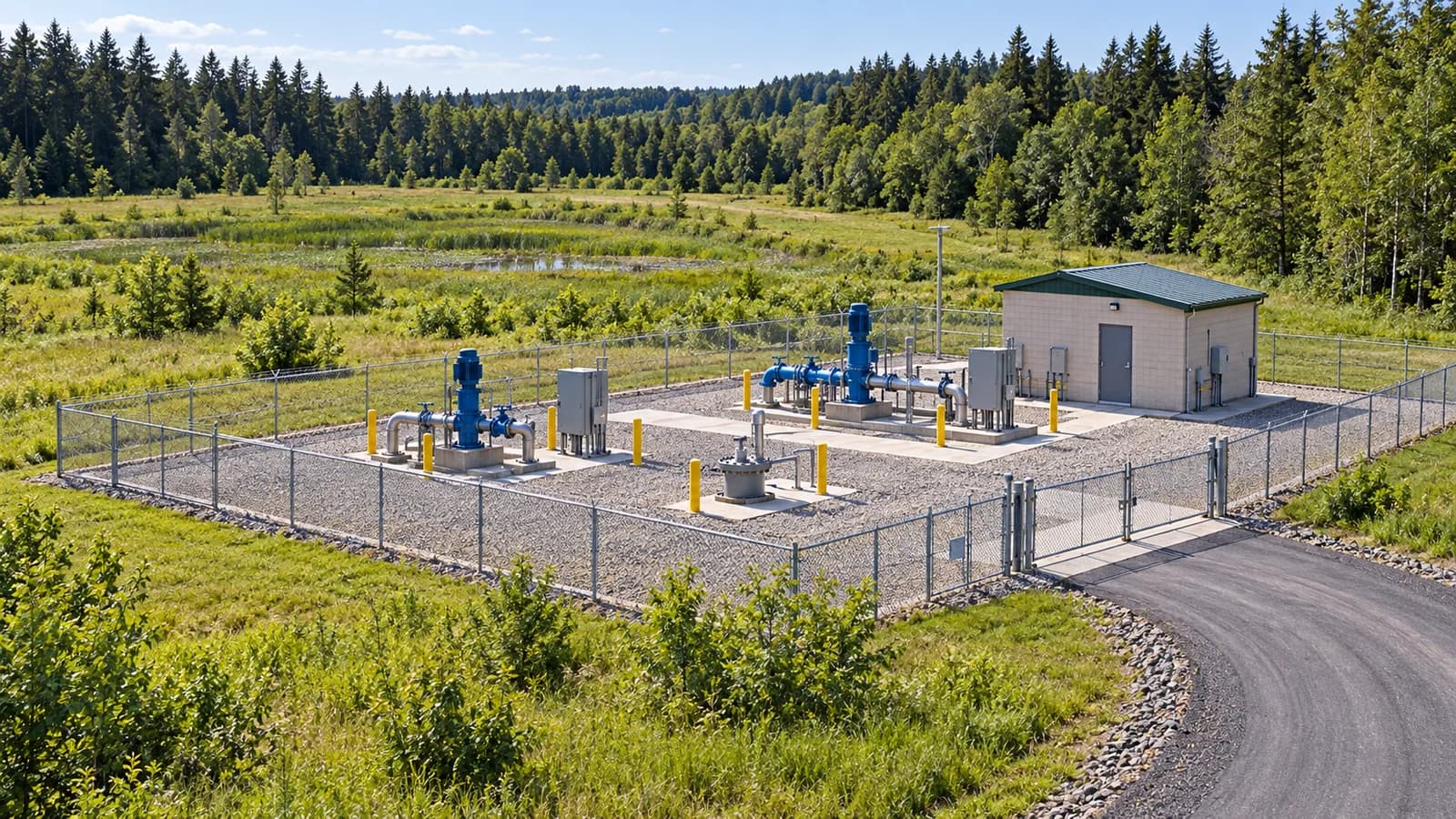
Groundwater Wells, Pumps and Treatment Fundamentals
How groundwater systems work and how operators protect them: aquifers, wells and wellheads, well pumps and controls, water levels and well performance, groundwater quality, treatment, sampling and troubleshooting.
Course Details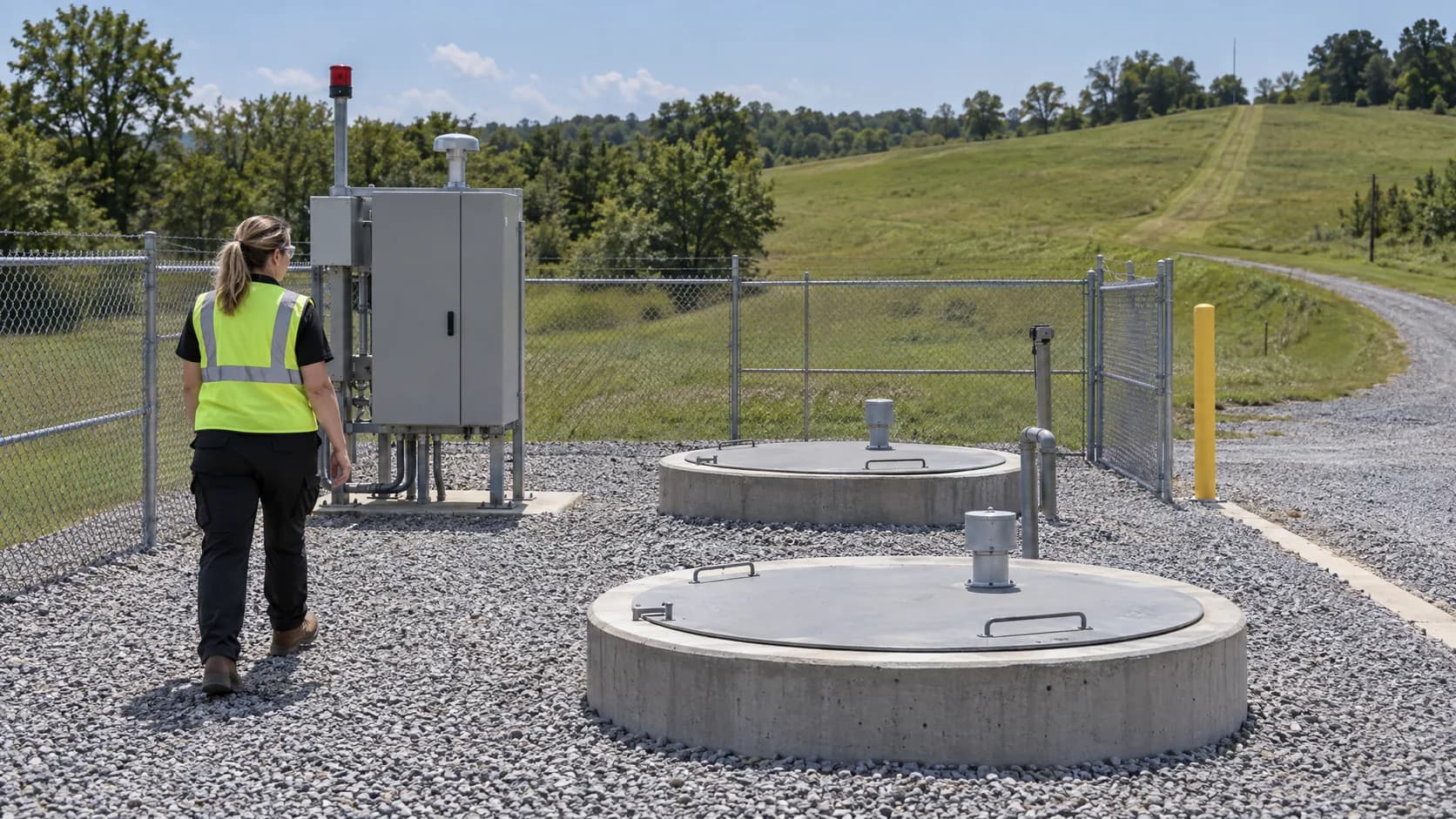
Lift Stations for Wastewater Operators
How wastewater lift stations work and how operators keep them running: pumps and level controls, rounds, alarms, power and bypass pumping, clogs, gas hazards and overflow response.
Course Details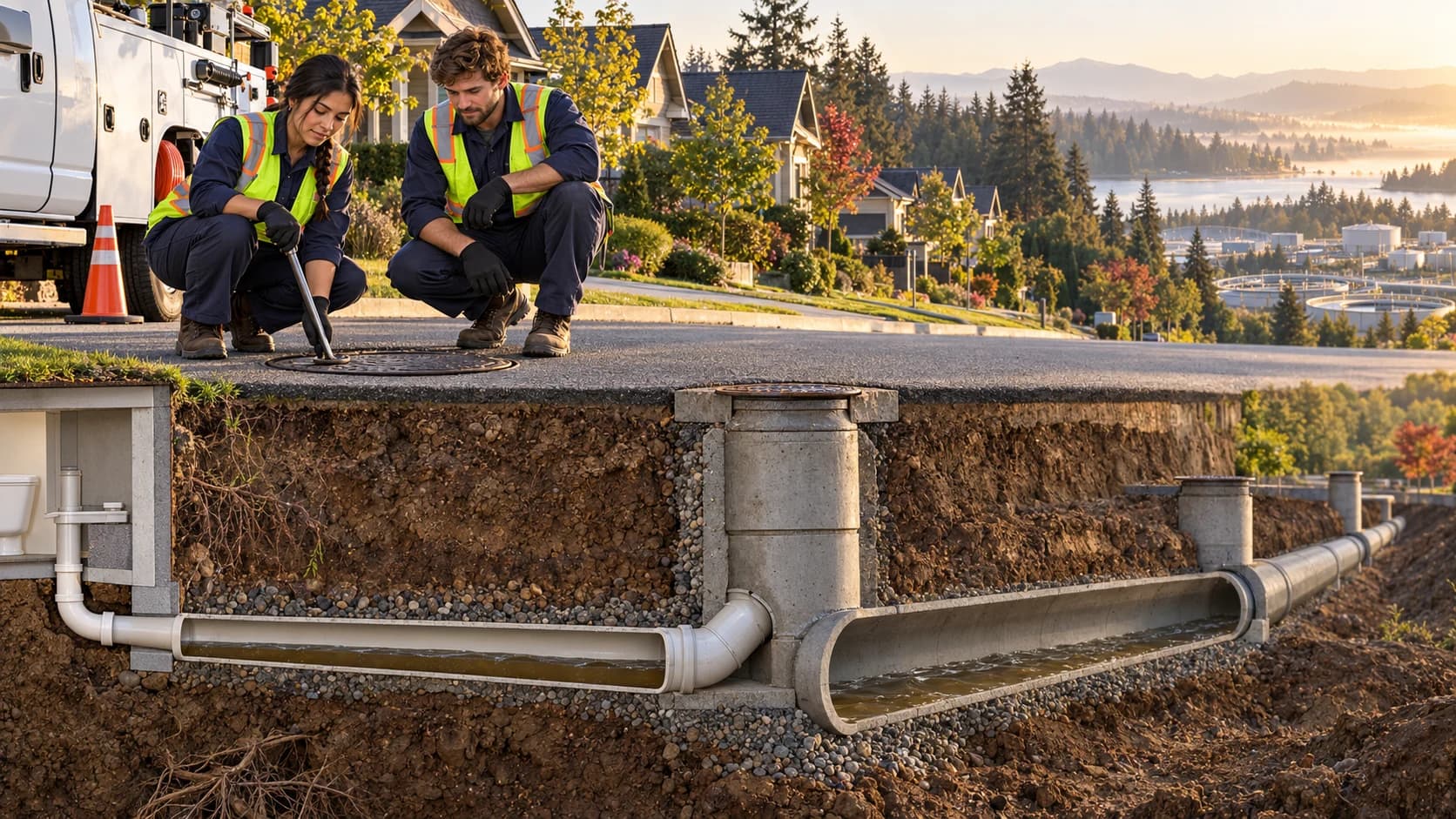
Introduction to Wastewater Collection Systems
How sewers, manholes and lift stations carry wastewater to the plant, and how crews inspect, clean and keep them safe.
Course Details